I’m continuing to download new populations of genomes, and I’ve discovered a simply astonishing connection between the Scottish and the Hawaiians. The algorithm in question runs Nearest Neighbor repeatedly, just like the previous post from earlier today, until it visits the same row (i.e., genome) twice. The first astonishing connection is that the nearest neighbor of a Scottish person is a Hawaiian person, and the relationship is reciprocal. There is simply no sensible explanation for this, that is consistent with accepted history. You can say, this is just two genomes, but they’re both complete genomes, and the relationship is again reciprocal, meaning that given 29 global populations, a Scottish person and Hawaiian person are near perfect matches, mutually, with 98.87 % of their genomes in common. Also, note that these samples are based upon ethnicity, not location, and as a result, the people in question are actually Scottish and Hawaiian, respectively. The dataset below contains links to the NIH database for all Chinese genomes, and here’s the link to the Hawaiian genome, so you can inspect the files and see that this is indeed the case.
It’s tempting to dismiss this as an inexplicable fluke, but the Scotts also pop up in South America, specifically, they again have a mutual relationship to the Chachapoya of Peru. I think the sensible theory is that early Europeans made it to extremely remote locations that must have required boats. Moreover, the peopling of Polynesia in general must have required sophisticated seafaring skills, as you can’t by chance make it to a remote island, and instead, you must have known that it was there, suggesting the possibility of telescopes. This suggests that regardless of any early Europeans arriving in Polynesia, someone had the skills necessary to make the journey from Asia or somewhere else, to a series of extremely remote islands, that cannot credibly be done by chance, without planning, which is also consistent with the use of telescopes, given the obvious limitations of human vision.
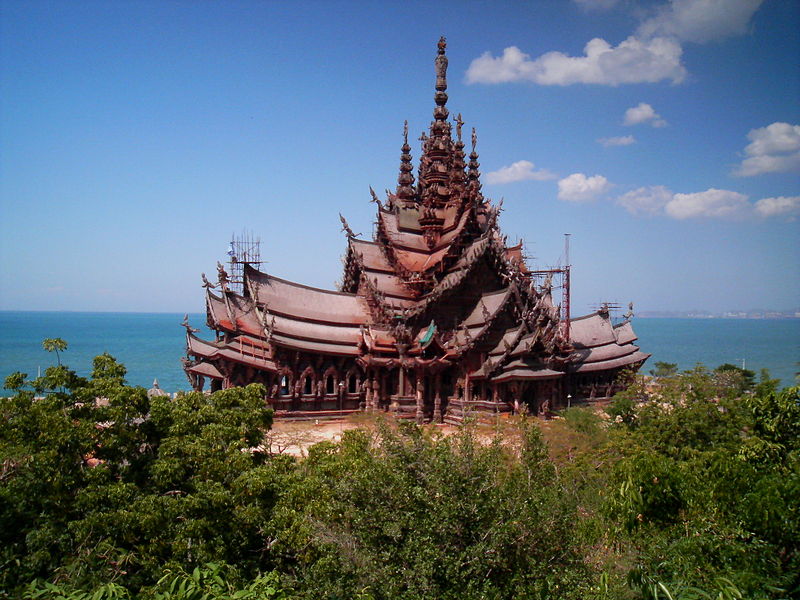
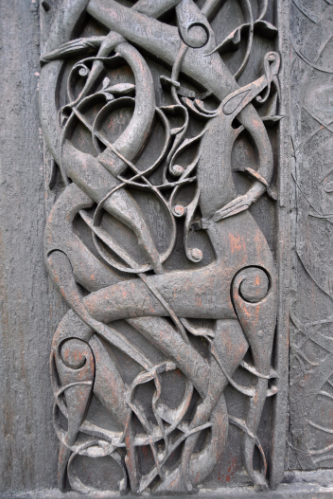
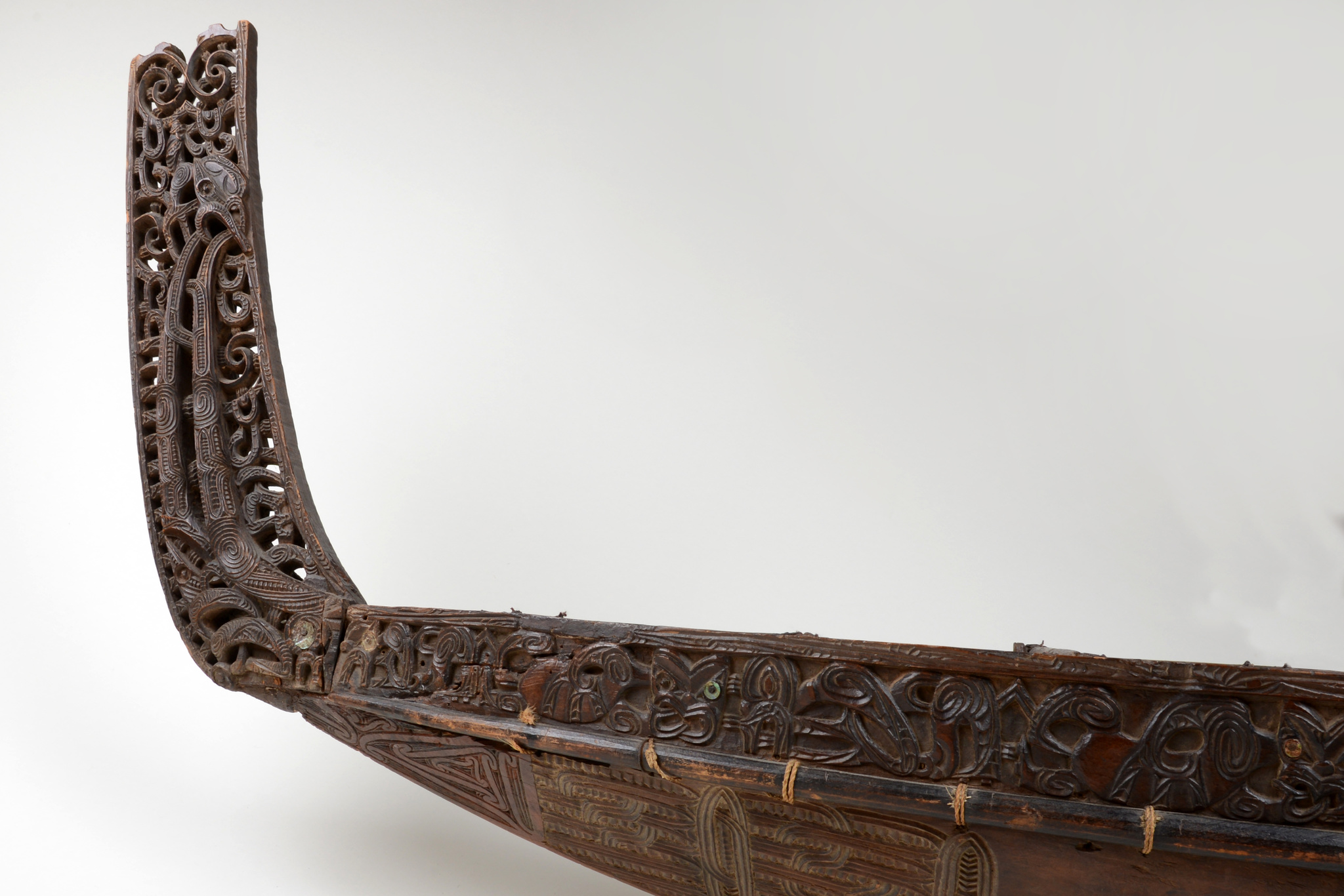
Finally, there is a plain aesthetic connection between Nordic artwork and that of the Polynesians, and Asians generally, and the Scotts are genetically linked to Nordic peoples. This does not mean that Nordic people brought Asians to Polynesia, and I would wager instead, that the world was already significantly globalized due to sailing alone, creating bloodlines that last to this day. The image on the top left is the Sanctuary of Truth, Pattaya, Thailand, the image on the top center is a Stave Church in Borgund, Norway, the image on the right is a detail from yet another Stave Church in Urnes, Norway, and the image on the bottom is a detail from a Polynesian war canoe. The images are courtesy of Wikipedia, except for the second and fourth, which are courtesy of stavechurch.com, and Zemanek-Münster, respectively.

The second relationship is again a mutual nearest neighbor relationship between a complete modern Chinese genome and an Ancient Egyptian genome, with a match count that is again basically the entire genome. However, in this case, the Chinese genomes in the dataset below are not labelled by ethnicity, and instead simply state that the location is China, so I can’t be certain as to provenance. Instead, I’ll note that their art plainly depicts Asian-looking people, prior to the age of Rome, and after Rome, e.g., Cleopatra, plainly has Western features. This is the Ancient Egyptian genome from the NIH, simply run a BLAST search using the buttons on the top right.
Finally, I’ll note that the truly Ancient Egyptians (i.e., before Rome) seem to have the EDAR variants associated with straight hair, and have what appear to be proto European, African, and Asian features (see below). The Khoisan people of Africa have notably similar features, and I suspect this is not the result of chance. The Khoisan also share an extremely close genetic relationship to the Mayans, that of course, also built pyramids, again suggesting this is not the result of chance. Here’s an image of Menkaure and Queen Khamerernebty II, courtesy of MFA Boston.

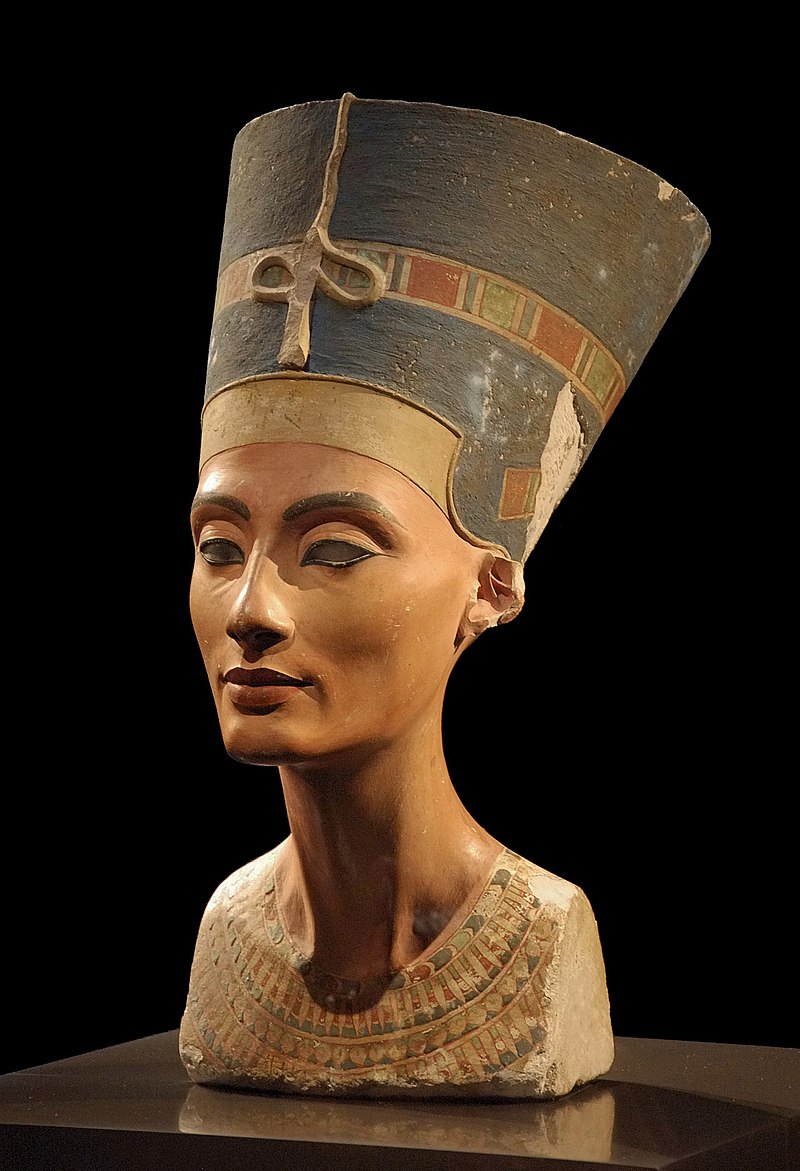
Now compare this to Nefertiti (left) and Cleopatra (right), both courtesy of Wikipedia. You can plainly see that these are not only completely different morphologies, but completely different aesthetics, with the bust on the right typical of Roman and Greek sculptures, the bust on the left consistent with earlier Egyptian artifacts that seem to portray Asian peoples, in particular, using an aesthetic and materials that are arguably unique to the earlier Egyptians.

Here’s the dataset, with tons of code in the previous articles linked to above:
https://www.dropbox.com/s/xacd04xdu9u1o63/mtDNA.zip?dl=0
Discover more from Information Overload
Subscribe to get the latest posts sent to your email.
 Information Overload